
How to tell if your child is burning out
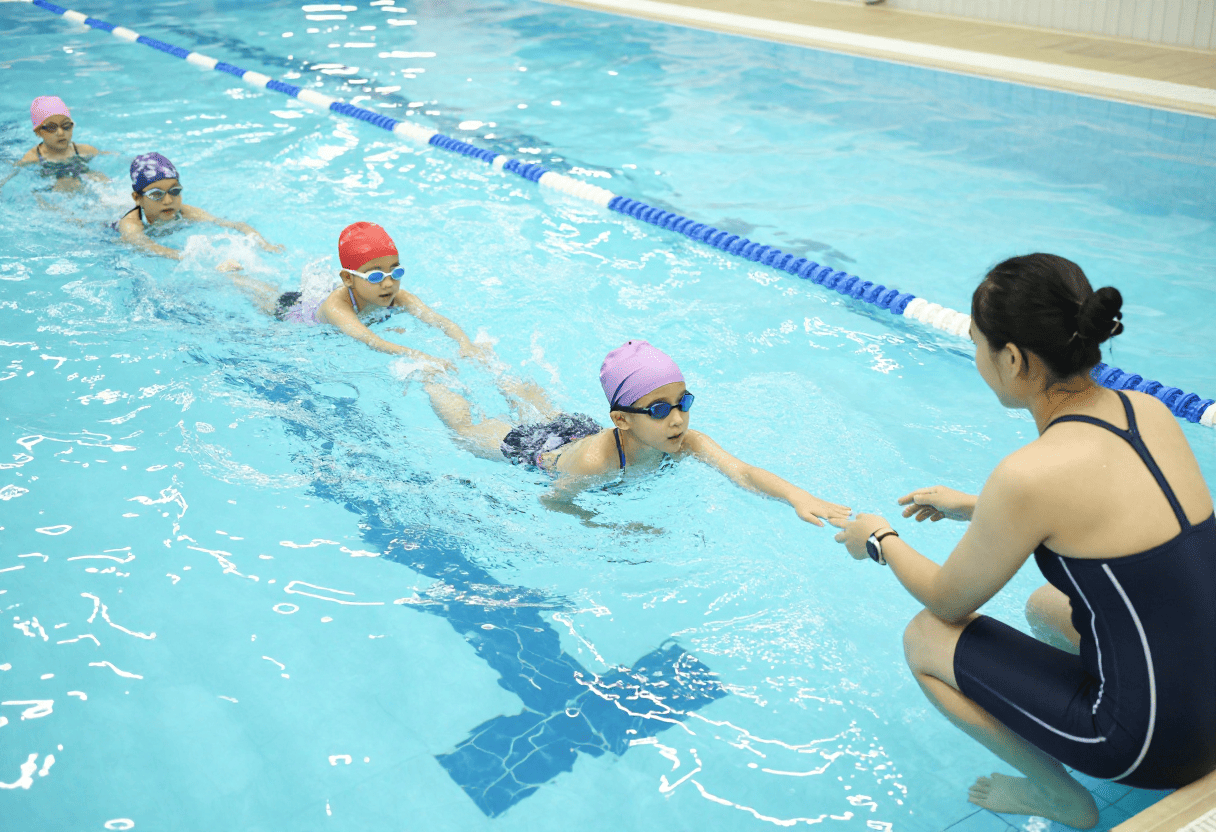
Burnout rarely arrives as a dramatic announcement. It creeps in as a smaller appetite for practice, irritability before sessions, or complaints that used to resolve quickly. In children, emotional exhaustion can look like defiance, so parents sometimes tighten routines when what is needed is recovery. The goal of this guide is to help you separate a rough patch from a pattern that deserves a change of plan — whether that means lighter weeks, a different coach, or a pause from organised sport altogether.
Early signals parents often miss
Watch for subtle shifts across several weeks: your child stops chatting about teammates, drags their feet on kit night, or asks to skip sessions they previously enjoyed. Physical clues can include nagging muscle soreness that does not match training load, frequent colds, or a sudden dip in appetite on training days. Academic concentration may slip because evening sessions leave little downtime for homework and unstructured play. None of these signs alone proves burnout, but together they warrant a calm conversation with your child and, if appropriate, the club welfare officer.
Mood and sleep
Notice sustained changes — not a single rough week during exams. If sleep onset drifts later on training nights, treat that as data, not defiance. Keep a light-touch diary for a fortnight: session times, mood at bedtime, and morning energy. If weekends become recovery-only sleep marathons, the weekly timetable may simply be too heavy for their age. Paired with a supportive coach, a temporary reduction in extras — cross- club tournaments, extra private sessions, or late homework cramming after matches — often restores enthusiasm faster than swapping clubs outright.
Joy and motivation
Ask open questions on neutral days: what was the easiest moment? The funniest? If answers narrow to “nothing”, pair curiosity with reduced load before you change clubs. Celebrate effort and smart decisions, not only goals or podium places. If your child is comparing themselves relentlessly to a sibling or team-mate, name that pressure and revisit why they started playing. Sometimes a different format — futsal, recreational five-a-side, or a term of athletics — keeps their love of movement alive while football feels less intense.
When to seek professional help
Contact your GP or a paediatric clinician if you notice persistent low mood, self-harm language, disordered eating patterns, or pain that does not resolve with relative rest. For safeguarding worries at a club, use the organisation’s published reporting routes and keep notes of what was said and when. OptimusSport editorial guides are not a substitute for medical, psychological, or statutory advice — they are here to support informed conversations at home and with coaches you trust.